US-Vietnam Research Center

Home Publications Building a Republican Nation in Vietnam, 1920–1963

Building a Republican Nation in Vietnam, 1920–1963
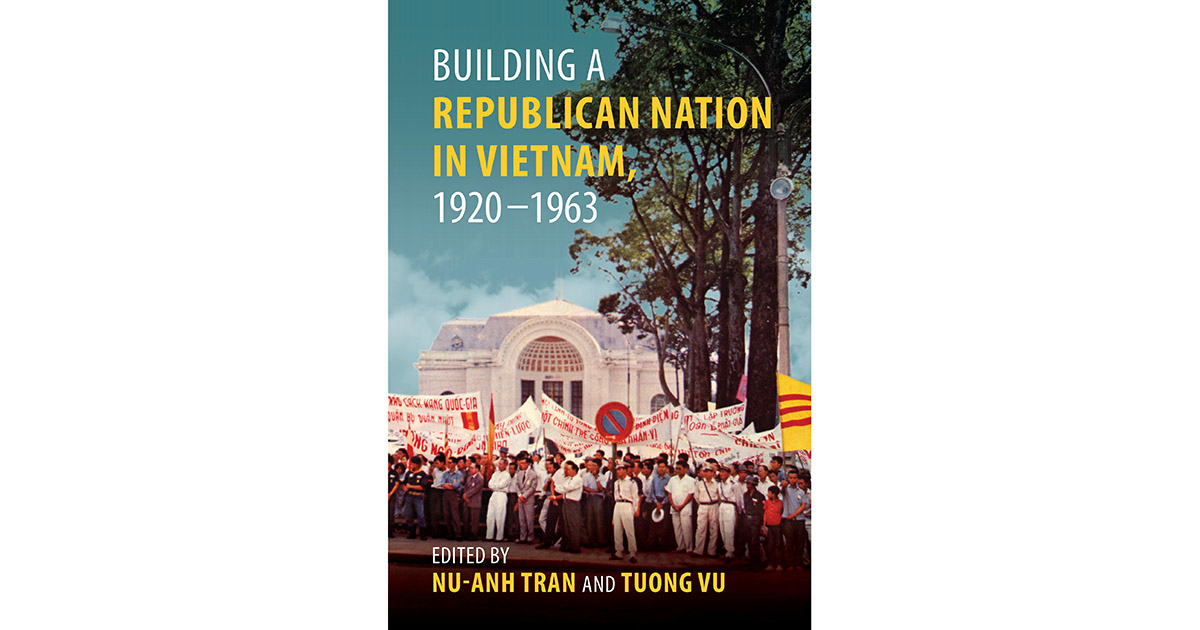
Building a Republican Nation in Vietnam, 1920–1963 Book Cover
Western observers have long considered communism to be synonymous with Vietnam’s modern historical experience. Eager to make sense of the North Vietnamese victory in the Vietnam War, scholars and journalists have spilled much ink on the history of Vietnamese communists. But this preoccupation has obscured the diversity of ideas and experiences that defined Vietnam in the twentieth century, in which communism represented just one of many tendencies. Building a Republican Nation in Vietnam, 1920–1963, posits that republicanism shaped modern Vietnam no less profoundly than communism. Republicans championed representative government, the universal rights of man, civil liberties, and the primacy of the nation. These ideas infused the thinking of Vietnamese reformers, dissidents, and revolutionaries from the 1900s onward, including many men and women who went on to lead the struggle for independence. Republicanism was also one of the chief inspirations for the establishment of the Republic of Vietnam (also known as South Vietnam) in 1955.
This interdisciplinary volume brings together eleven essays by historians, political scientists, literary scholars, and sociologists, who make use of fresh sources to study the development of republicanism from the colonial period to the First Republic of Vietnam (1955–1963). The introduction by coeditors Nu-Anh Tran and Tuong Vu critically analyzes the existing scholarship on the First Republic, explains how the concept of republicanism can illuminate developments in the Saigon-based state, and situates the regime in a comparative context with South Korea. Peter Zinoman’s chapter reviews the historiography on republicanism and modern Vietnam and heralds the arrival of the “republican moment” in the field of Vietnam studies. Several chapters by Nguyễn Lương Hải Khôi, Martina Thucnhi Nguyen, and Yen Vu examine the transformation of republican ideas. Nu-Anh Tran and Duy Lap Nguyen explore competing concepts of democracy and the factional politics of the First Republic. The essays by Jason Picard, Cindy Nguyen, Hoàng Phong Tuấn, Nguyễn Thị Minh, and Y Thien Nguyen analyze nation- and state-building efforts in the 1950s and 1960s. Collectively, the essays give voice to Vietnamese republicans, from the ideas they espoused to the institutions they built and the legacies they left behind.

Introduction

Table of Content

CHAPTER TWO: Early Republicans’ Concept of the Nation: Trần Trọng Kim and Việt Nam sử lược – Nguyễn Lương Hải Khôi

CHAPTER NINE: Striving for the Quintessence: Building a New Identity of National Literature Based on Creative Freedom – Hoàng Phong Tuấn and Nguyễn Thị Minh

Related Articles

Việt Nam Nước Chia Hai Đàng

LỜI GIỚI THIỆU  Trung Tâm Nghiên Cứu Việt-Mỹ hân hạnh giới thiệu với độc...
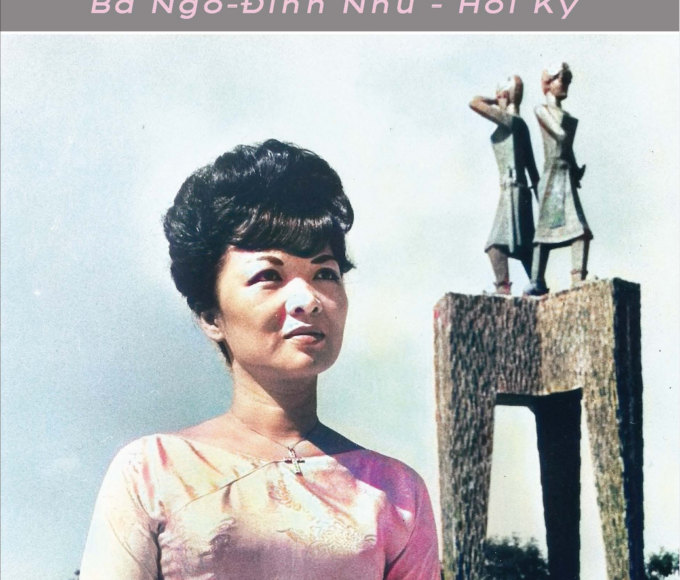
Viên Sỏi Trắng – Hồi Ký Của Bà Ngô-Đình Nhu

Sách có bán online (bấm vào link dưới đây để mua): Amazon, Lulu LỜI TỰA  Vũ Tường  Trung tâm Nghiên cứu Việt-Mỹ, Đại học Oregon  Trung...
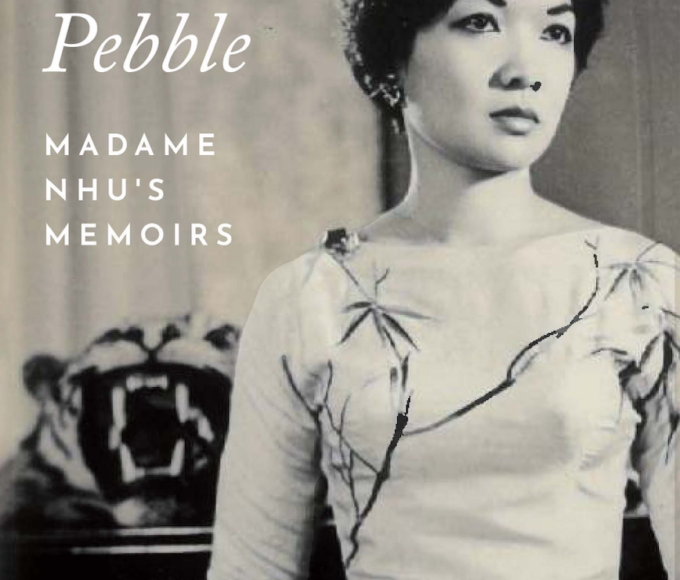
The White Pebble: Mme Nhu’s Memoirs

The White Pebble: Mme Nhu’s Memoirs Foreword   By Tuong Vu, US-Vietnam Research Center  University of Oregon,...
12 Bản The Federalist

“12 Bản của The Federalist Papers: Những Kiệt tác luận về Hiến Pháp Hoa...